What You Need to Know Before the Election
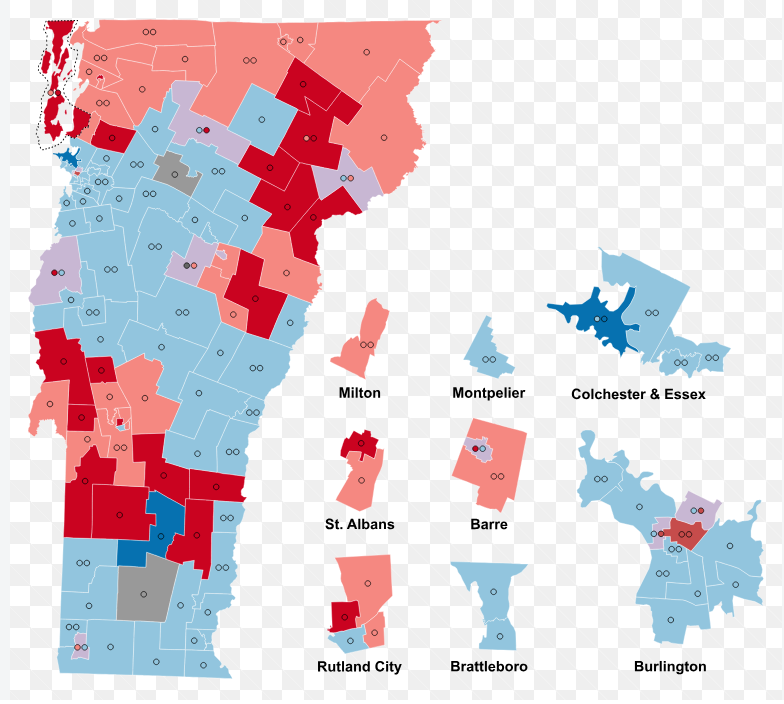
As states prepare for the 2026 primaries and general elections, Vermont voters will choose both their governor and their representative in the U.S. House. Election Day is November 3. Amanda Janoo is the Democratic nominee for governor, while Phil Scott is the Republican incumbent. For the U.S. House seat, incumbent Democrat Becca Balint faces Republican challenger Gerald Malloy.
Becca Balint in Our House
During Becca Balint’s tenure, she has sponsored and cosponsored bills on issues such as housing, healthcare, and workers’ rights. Balint has introduced a bill to help with the unaffordable housing crisis by devoting $500 billion to housing-related investments. The bill has yet to become law. She also supports expanding healthcare coverage and allowing the federal government to negotiate prescription drug prices.
Gerald Malloy Is Running Against Balint
Gerald Malloy won the Republican primary to run against incumbent Becca Balint. Born in Massachusetts, Malloy has lived in Vermont since 2020, unlike Balint, who has lived here since 1994. Malloy plans to focus on the economy. He believes in individual prosperity and protecting property rights. He also favors market-based healthcare reforms and reducing barriers for small businesses.
Both Candidates for Governor Want the Same Thing; How They Want to Do It Is Different
Phil Scott, while being a Republican in a blue state, aligns with many of the core values of Vermonters. He has served five terms and is currently running for his sixth. Scott previously served as lieutenant governor. Scott is facing competition from new candidate Amanda Janoo.
Scott has focused on making Vermont more affordable, which has been a major selling point for prospective voters. Janoo also focuses heavily on Vermont’s economy. Her campaign website says she plans to support small communities and businesses.
However, Amanda Janoo plans to raise taxes on wealthy homeowners and those who own a second home in Vermont. She wants to use the additional revenue to support affordable housing and healthcare. Phil Scott plans to cut taxes and give Vermonters larger tax refunds. In short, both candidates plan to address affordability: Janoo by taxing wealthier citizens and funding public programs, and Scott by cutting taxes so Vermonters can keep more of their paychecks.
Problems to Consider When Casting Your Vote
Affordability, the economy, and housing are important concerns for Vermont voters. The Vermont economy is heavily reliant on tourism, which does not always provide year-round stability.
Amanda plans to increase taxes on wealthier citizens and devote more funds to local communities. Scott plans to cut taxes and let citizens keep more of their income. Voters should consider how each approach might affect housing costs, local services, and the state budget.
Where Vermonters Can Go to Vote
Vermonters vote on November 3. Eligible residents can register to vote through Election Day. You can register online through the Vermont Voter Portal. Mail-in ballots are available, and voters should check the portal or contact their town clerk for details about returning their ballots.
When registering, you may need to provide your name, date of birth, and identifying information, such as a Vermont driver’s license number or the last four digits of your Social Security number.
Leave a Reply