In the 2000s, Blockbuster, once a media giant, collapsed as the popularity of DVD rental services declined, while Netflix rose to prominence. The era of physical media was ending, making way for a new, more convenient age of streaming. Since then, nearly every film studio has launched its own streaming platform. Similarly, music consumption shifted from portable CD players and iPods to streaming services like Spotify and Apple Music. Even video games are now more often downloaded than bought as physical copies.
The convenience of purchasing media online—whether to watch, listen, or play—seems ideal until you realize that you don’t actually own what you buy; you only purchase a license to access it. Large corporations worsen this issue by removing content from their servers, exploiting the legal distinction between owning a license and owning the media itself.
What’s the solution? Go back to “the cavemen” thinking of buying pieces of plastic and storing them on a bookshelf below the TV, the glovebox in your car, or your bag for work or school. CDS, DVDs, Blu-ray, Vinyl, and video game discs cannot be taken away, unlike your “licensed” digital media. Sony is guilty of taking away media; they took away movies consumers bought on PlayStation. It’s just the start, soon Paramount, Record Labels, will be guilty of the same practice, however there is one simple solution, buy physical media.
Recently, while driving a 2010s car, I’ve used Bluetooth as my way to listen to music, and my curiosity was piqued as I’ve looked at the CD section at my local Walmart and picked up two albums, Dookie by Green Day and The Chocolate Starfish and the Hotdog Flavored Water by Limp Bizkit. I was astonished at the high-definition audio compared to Spotify on my phone. The artwork included is a spectacle you can’t replicate on a screen; many of the CD cases come with pictures of the band or depictions of the album. Besides, having to change the CD with one hand while driving can be tricky, and you might avoid scratching the discs. I finally found a use for it by using the extra space in my glovebox, where I now rotate CDs. However, finding an accessible way to always play CDs has developed into a struggle in the 2020s. Households and vehicles have phased out CD players in exchange for Bluetooth.
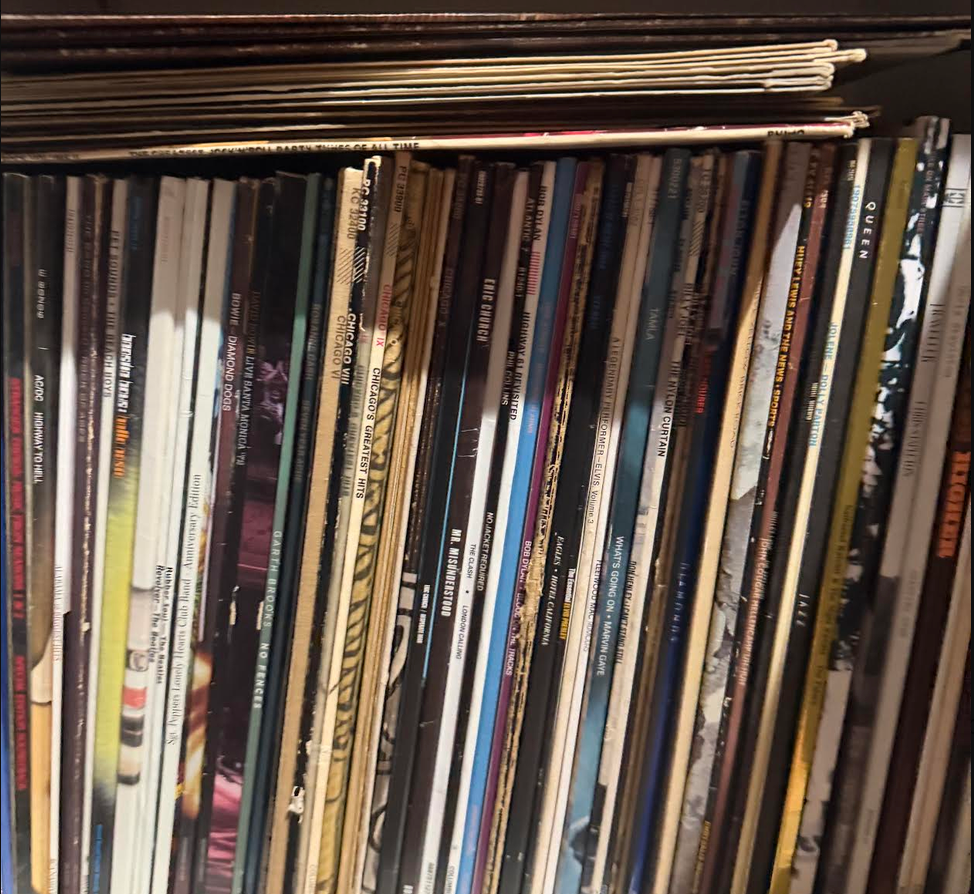
Other users tend to collect and listen to records; the inability to take vinyl records on the go, combined with their lack of portability, can be inconvenient. However, vinyl offers high-quality audio, beautiful album artwork, and a unique listening experience that streaming simply cannot replicate. However, vinyl tends to run at a higher cost than CDs, with some records averaging at a price of 30$. I choose not to include cassettes as they have no advantage over CDs because the sound is worse, and have no advantage over records as they include no artwork.
Many consumers have chosen to ditch streaming services in favor of buying Blu-Rays or DVDs. Each movie costs around 5–25 (depending on recent releases), and physical movies include footage such as deleted scenes. Services like Paramount+ and Netflix cost around $10 a month, and over four years, it adds up. Movies on Blu-ray can be consumed repeatedly without worrying about a subscription expiring or a title suddenly disappearing from a streaming catalog. Additionally, owning a physical copy gives consumers access to special features and sometimes higher video and audio quality. However, opting for Blu-ray players can be quite expensive, as Sony’s standard Blu-ray player runs a consumer a one-time fee of $110. While streaming offers convenience, physical media provides a sense of ownership that subscription services can’t match, nor would they prefer to offer.
Recently, controversy has arisen from Sony due to plans for phasing out physical media by 2028. Many gamers are upset by the fact because of how Sony has dealt with digital media on the PlayStation Store. Fast forward, and the worry is that the $70 game in your library isn’t forever. While artwork and rule books aren’t commonly found in games now, owning the disc is superior to owning a “license.” Digital games can be removed from storefronts, restricted by licensing agreements, or become inaccessible when servers shut down. Physical copies give gamers more control over their purchases and allow them to lend, resell, or trade games with others. For many, purchasing a game should mean having the ability to play it whenever they want, not just when a company allows it. Xbox has been a direct competitor by introducing a physical-to-digital. A copy of a “key” is inserted, and the data is online instead of being ingrained on the disc.
If Buying Isn’t Owning, Is Piracy Stealing?
I’ve seen a recent saying arise in the past year: “If buying isn’t owning, piracy isn’t stealing.” The ideology of media companies having more power over the consumer should be illegal. Being able to take away a license that costs $70 is a steep loss for many consumers. For many, the ethics of pirating live TV or movies is fair and just. Having media owned and accessible without restrictions should be a priority for both consumers and the companies selling it. However, piracy also raises questions about the rights of creators and the money they deserve for their work. Ultimately, the debate comes down to whether consumers should have permanent access to the products they purchase or remain dependent on the companies that distribute them. If artists choose to make money from their works, they should consider the morals and ethics of their distributor. Media companies, at any cost, will prefer to keep control of the media in an effort to have a continuous flow of money from consumers.
Leave a Reply